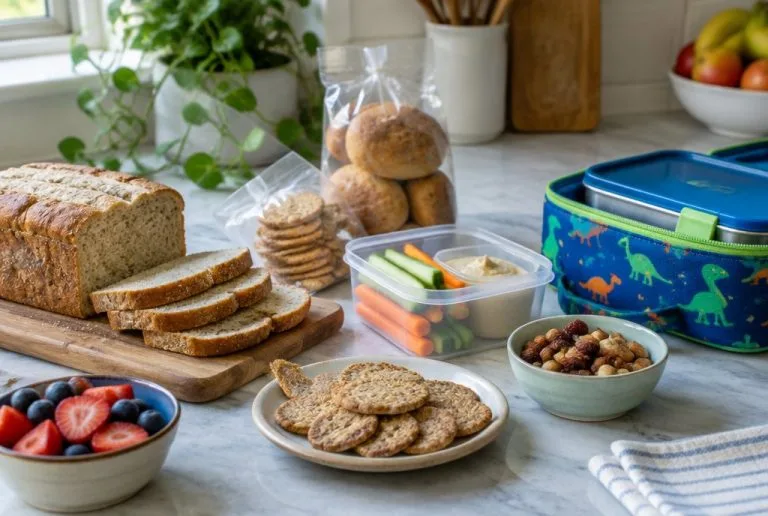
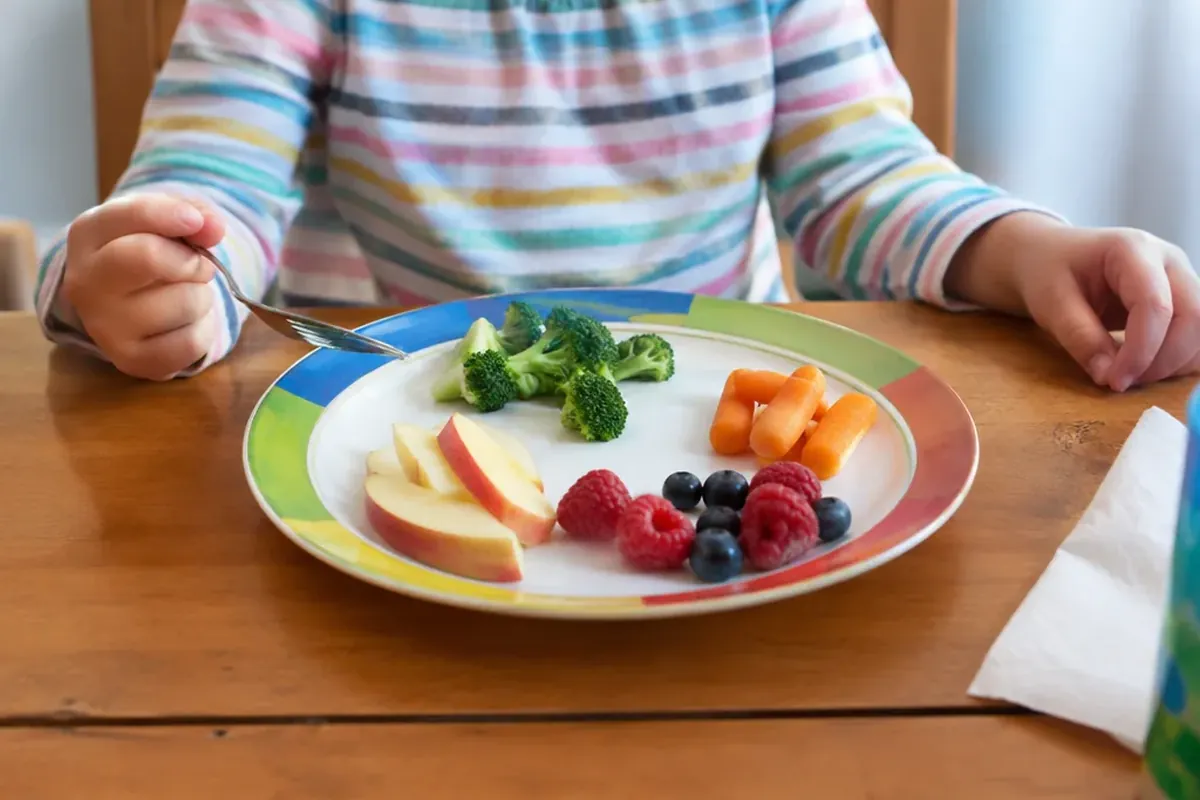
Learning how to get kids to try new foods starts by lowering the stakes: put a tiny portion beside something they already enjoy, eat it yourself, and let them decide whether to taste it. Picky eating commonly peaks between ages 2 and 6, when independence and wariness of unfamiliar foods are both growing, so progress is usually built through calm, repeated exposure rather than one persuasive bite.
Why picky eating is common—and why dinner does not need to become a battle
Many children favor a short list of foods or dislike foods touching on the plate. Those behaviors often fade by age 5; fussy eating commonly begins around age 2 and starts to ease around ages 4 or 5, although it can last into elementary school for some children.
A useful distinction is the breadth of the child’s list of foods. A typical picky eater usually eats more than 15 to 30 different foods and will accept a previously rejected food again after a break. In contrast, a problem feeder eats fewer than 20 foods and does not re-accept dropped foods.
How to get kids to try new foods without pressure
In the Division of Responsibility, you choose what, when, and where food is served; your child chooses whether to eat and how much. That means you can serve broccoli with pasta, but you do not need to negotiate one bite of broccoli.
- Offer a new food alongside familiar favorites, not as a replacement for them.
- Eat the food yourself and let your child see that you enjoy it.
- Offer two or three choices: “Broccoli or peas with your pasta?”
- Keep meals to about 20 to 30 minutes, with TV, phones, and toys put away.
- When the meal ends, remove uneaten food calmly and without comment.
The American Academy of Pediatrics warns that pressuring children can make them dislike foods they might otherwise learn to like. Bribes have a similar trap: “Eat your broccoli for a cookie” teaches that broccoli is a chore and the cookie is the prize.
Use small portions and repeated exposure to make a new food familiar
For a toddler, a starting portion can be about 1 tablespoon of each food for every year of age. A 2-year-old might see 2 tablespoons of vegetables, 2 tablespoons of protein, and 2 tablespoons of starch. A small amount looks manageable; more is always available if your child wants it.
The CDC states a young child may need 8 to 10 exposures before being willing to try a new food, while research with 3- and 4-year-olds suggests acceptance can take up to 15 exposures. Looking, touching, and smelling can all be steps toward tasting; keep serving the food on separate occasions without demanding a result.
| After your child says no | What to do next |
|---|---|
| They leave the broccoli untouched | Offer a tiny portion again on another occasion; aim for 8–10 exposures before judging the food. |
| They reject it repeatedly | Wait 1–2 weeks, then bring it back beside a familiar food. |
| They dislike one feature | Change only texture, temperature, taste, or look—not everything at once. |
Build from safe foods with food chaining
Food chaining begins with an accepted food and makes one small change at a time in texture, temperature, taste, or look. Instead of asking a child who likes fries to jump straight to a new vegetable, you might move from fast-food fries to home-baked frozen fries, homemade potato fries, baked wedges, and then roasted diced potatoes. A change presented in a chain may take 6 to 15 tries or more to be accepted.
Match the next step to what your child already likes. For a child drawn to white, soft, bland foods, rice, cauliflower, spaghetti, or chicken may feel more approachable than a strongly flavored or crunchy option. If one change fails, make the next change even smaller or change a different attribute.
Make trying new foods a low-pressure family activity
Before a meal, let a young toddler wash vegetables, stir ingredients, or arrange food on a plate. Older children can choose a recipe, help buy ingredients, and cook. In one nursery-based program totaling 6 hours, cooking with parents was linked with less food fussiness and more willingness to try green vegetables.
At the table, invite curiosity through the senses by asking how a food looks, feels, and smells. A silly face or a color rainbow made with foods can spark curiosity without making eating a test. You can also set out water with berries, lemon, or cucumber and let your child be the tiny chef who washes and sorts produce.
When a new food keeps getting rejected, reset instead of escalating
If your child refuses to eat a food, do not turn the refusal into a longer conversation. Take a one- to two-week break, then return with a very small portion beside a safe food. Freezing small bites and thawing them later can reduce waste while you keep the exposure going.
Mixing a new vegetable into a familiar pasta or serving it with a liked dip can be another bridge to help your child become familiar with different tastes in a setting where there is enough to eat.
Common picky-eating myths that create more stress
Myth: A child must finish a serving before they can say they dislike it
Children may need 10 to 15 tries before they know whether they like a food, but trying is different from finishing. Repeated, relaxed contact is more useful than a clean-plate rule.
Myth: The 2 2 2 rule is a standard feeding strategy
There is no authoritative, standard “2 2 2 rule” for helping children try new foods. Advice using that label refers to food-safety guidance rather than a method for picky eating.
Myth: The 5 P’s are a clinical diagnosis or universal method
No single authoritative “5 P’s of picky eating” framework exists. Ideas such as patience, persistence, play, positivity, and presentation are practical principles, not a standardized clinical test.
Know when picky eating needs a pediatric conversation
Consult a pediatrician when eating is tied to significant weight loss or failure to grow, significant nutritional deficiency, reliance on enteral feeding or oral supplements, or marked interference with daily and family life. Other red flags include eating fewer than 5 foods in toddlerhood, fewer than 15 foods by preschool age, dropping foods without replacing them, or extreme restriction that continues into school age.
ADHD can coexist with sensory-related food difficulties, but picky eating is not a diagnosis of ADHD. A study of 231 children ages 6 to 12 found higher ARFID-related picky eating and sensory-processing difficulties among children with ADHD. Ask a pediatrician for an assessment if the pattern is severe, stressful, or limiting.
For perspective, the 5-2-1-0 rule is a broad healthy-lifestyle guide, not a cure for food refusal: 5 or more servings of fruits and vegetables, 2 hours or less of screen time, 1 hour or more of physical activity, and 0 sugary beverages a day. It can support family routines, but it does not replace feeding help when warning signs are present.
Frequently Asked Questions
How many times should I offer a new food before my child accepts it?
Plan for at least 8 to 10 exposures, and know that some children need up to 15 or more. Offer a small amount on separate occasions, alongside a familiar food, without requiring a taste.
How can I introduce new foods alongside familiar favorites?
Place a tiny serving next to foods your child already eats, such as peas or broccoli beside pasta. Your child can choose what and how much to eat while you keep the meal calm.
How can I make trying new foods fun for kids?
Use food preparation and sensory play: wash vegetables, arrange a rainbow plate, or ask how a food looks, feels, and smells. These activities invite exploration before a child is ready to taste.
What should I do if my child keeps rejecting new foods?
Pause for 1 to 2 weeks, then offer a very small amount again. Try a food chain, such as changing the texture or preparation of an accepted potato food by one step.
Is picky eating part of ADHD?
It can occur alongside ADHD and sensory differences, but it does not establish an ADHD diagnosis. Talk with a pediatrician if restriction is severe, affects growth or nutrition, or makes family life very difficult.
When should I worry about my child’s picky eating or seek help?
Seek pediatric advice for poor growth, nutritional deficiency, reliance on supplements, major distress, very few accepted foods, or foods that disappear from the diet without being replaced.